
NEW
2026 University Design Project
CARGO CUB.


Project Brief
Design a modular drone that makes delivery more adaptable, efficient, and accessible.
MUST adapt to the cargo, not the other way around.
MUST transform for different missions.
Research
MARKET OPTIONS
Once the main problems were identified, existing solutions were analyzed to better understand the current market and design opportunities.


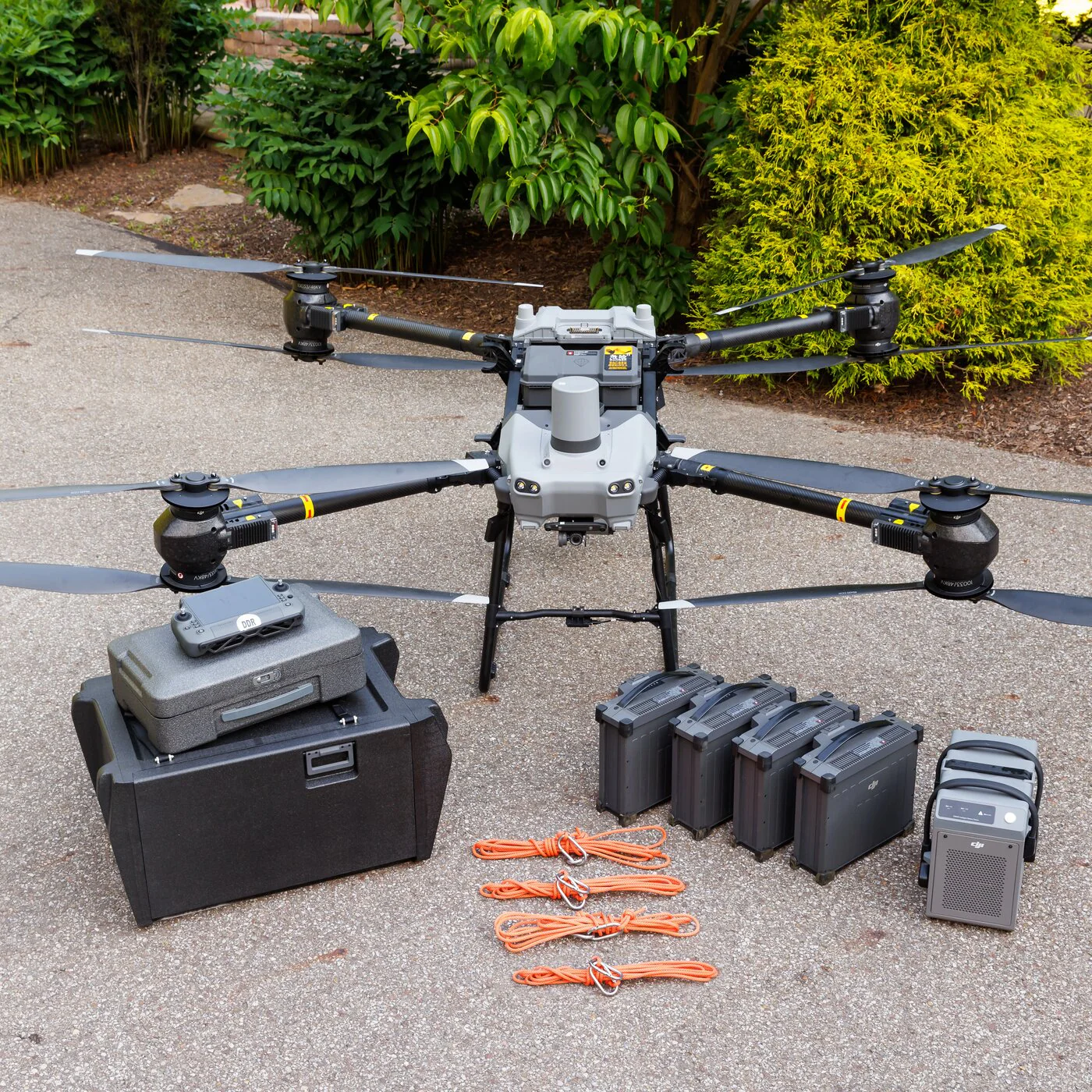

Key Insights
Drones Carry, Not Adapt
Fixed Frames Limit Payloads



Features
Defining Cargo Cubs purpose.



Sketching
INITAL IDEATION
Sketching new drone body forms to explore Cargo Cub’s shape, proportions, and modular payload-focused design language.


PROTOTYPING
Uses 6061 aluminum for the modular payload housing because it is lightweight, strong, durable, and easy to prototype.


The payload rests on four pancake load sensors that read weight distribution. An internal motor then slides it forward or back to balance the center of gravity for safer flight.

Custom Lithium-Ion Battery
Designed a custom battery layout to fit the drone’s compact frame while supporting longer flight time and balanced weight distribution.

Autonomous GPS Flight
Cargo Cub can take off, navigate, and fly between set locations using GPS, reducing manual control and improving delivery efficiency.

Carbon-Fibre
Frame Assembly
Custom Lithium-Ion Battery

Coding using Betaflight
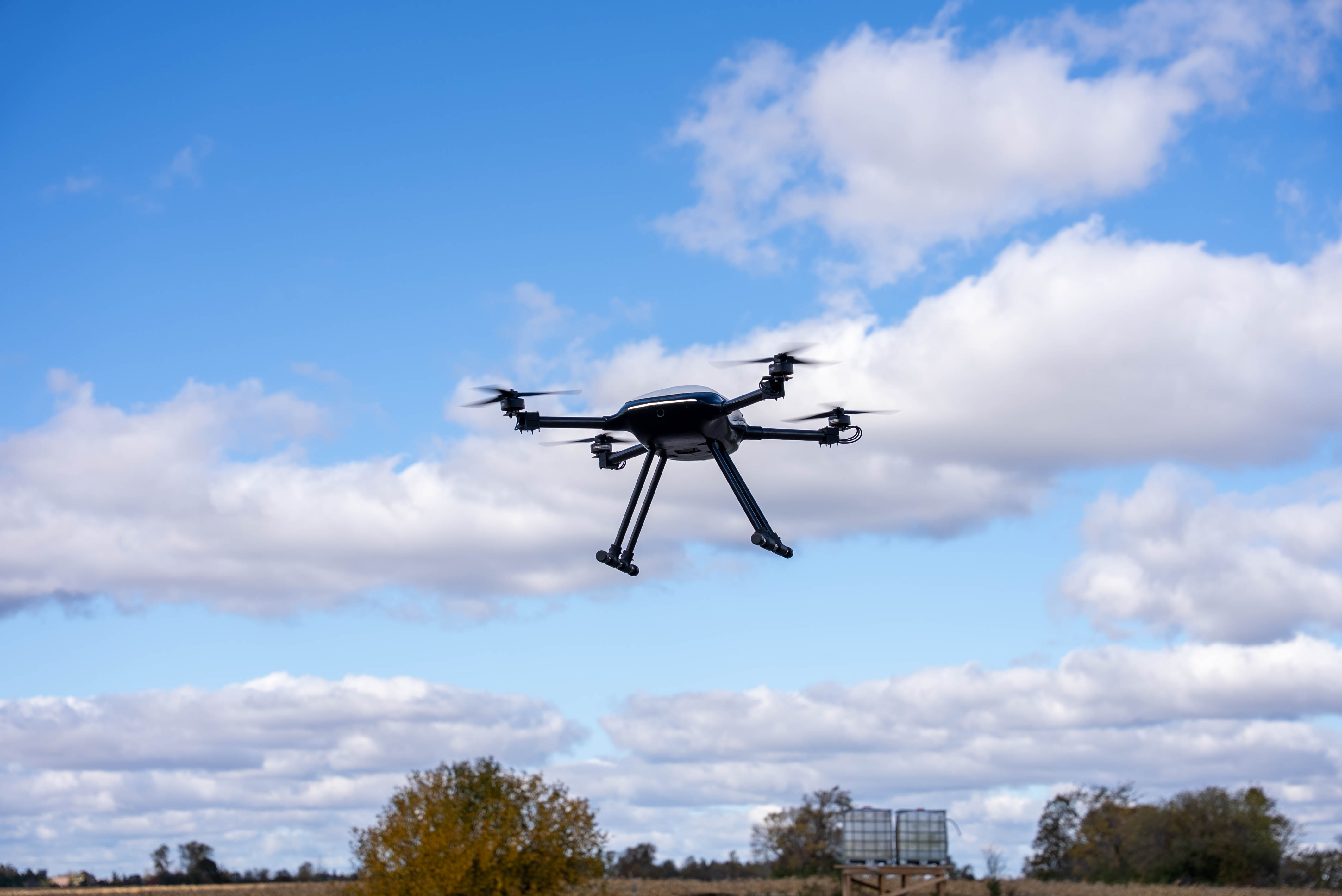
First Test Flight
Automatic CG Alignment
Perfect balance, every payload.

With its built-in I2S microphone, KOKO lets users interact naturally through voice, listening directly and responding with an expressive AI voice system.